
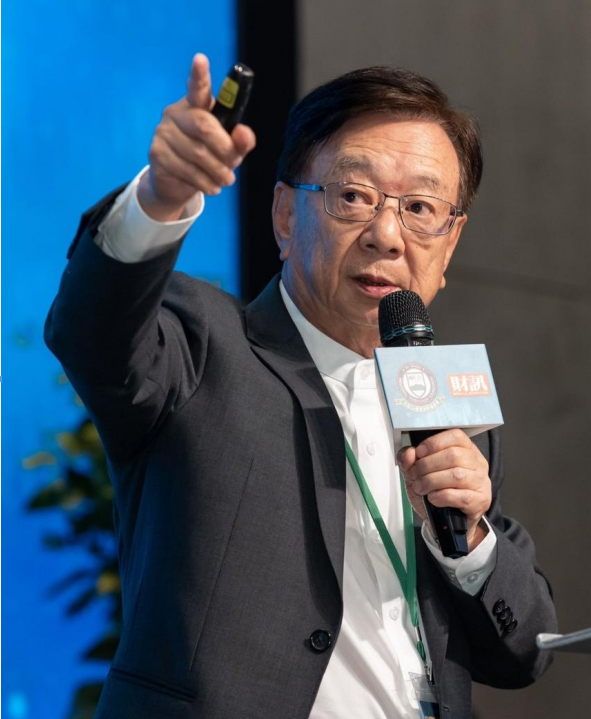
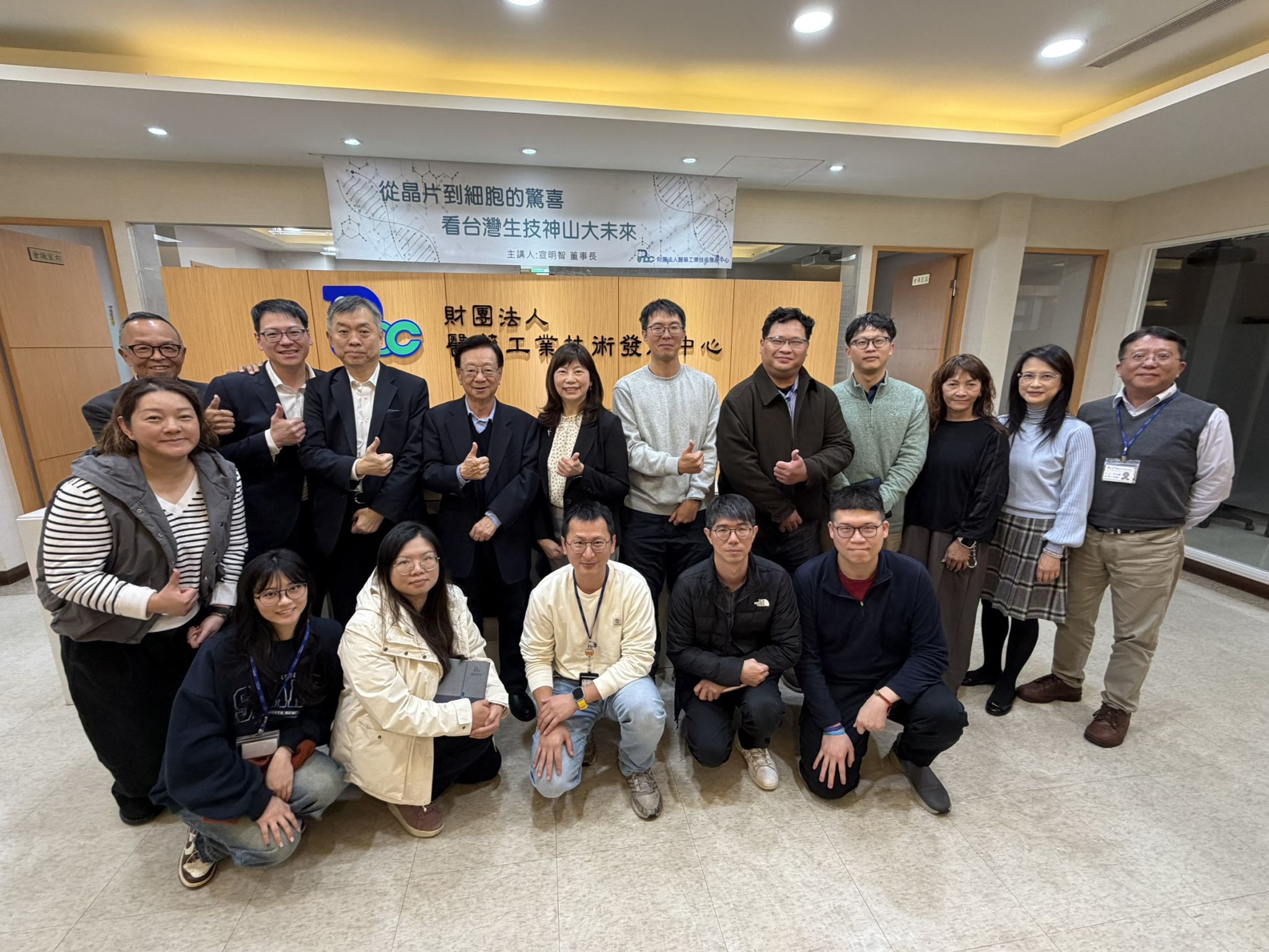
Chairman Ming-Chih Hsuan, founder of the Hsuan-Chieh Group, delivered a lecture at the Development Center for Biotechnology (DCB) titled "From Chips to Cells: Surprising Discoveries and the Grand Future of Taiwan’s Biotech 'Sacred Mountain'."
From Semiconductors to Biotechnology The Next Step in Taiwan’s Industrial Upgrading
From Chips to Cells: Surprising Developments A Look at the Grand Future of Taiwan’s Biotech "Giant"
In a special lecture hosted by the Pharmaceutical Industry Technology and Development Center (PITDC), Chairman Hsu Ming-chih—speaking on the topic "From Chips to Cells: A Surprising Journey"—provided an in-depth analysis of the opportunities and strategic direction for Taiwan’s transition from the semiconductor sector to the biotechnology industry.
Looking back, Taiwan—spearheaded by the Industrial Technology Research Institute (ITRI)—successfully built a semiconductor industry ecosystem centered around TSMC and UMC, securing a pivotal position on the global stage. Chairman Stan Shih (Hsuan Ming-chih) noted that the core of this development journey lay in the tight integration of R&D, industrial translation, and ecosystem synergy—a combination that forged a unique and difficult-to-replicate competitive advantage for Taiwan. Addressing the challenges of an aging society and the growing demand for healthcare, Chairman Hsuan emphasized in his speech that biotechnology and regenerative medicine represent the most promising sectors for the next phase of Taiwan’s industrial development. Particularly in the fields of stem cell and immune cell applications, the future of healthcare is set to evolve beyond mere "disease treatment" toward "prevention, repair, and health promotion," thereby unlocking entirely new industrial value.
Taiwan possesses a solid foundation in the biotechnology sector, characterized by a comprehensive healthcare system, high-quality human capital, and increasingly mature clinical and R&D capabilities. Chairman Hsuan Ming-chih believes that by effectively integrating resources across R&D, clinical trials, manufacturing, and the market—while simultaneously accelerating the optimization of regulatory frameworks—Taiwan could replicate the success of its semiconductor industry and propel its biotech sector onto the global stage. Furthermore, Chairman Hsuan emphasizes that the key to current industry development lies in "focus and integration." By concentrating resources to nurture high-potential core enterprises—and by aligning government policy with industry strength—Taiwan can enhance overall development efficiency and gradually build industrial clusters with significant scale and competitiveness.
Wang Pei-yu, General Manager of the Development Center for Biotechnology (DCB), stated that this keynote address aims to foster dialogue among industry, government, academia, and research sectors. By building consensus, the goal is to accelerate the development of Taiwan’s biotechnology industry and create a new, vital engine of growth for the nation. Looking ahead, the biotechnology sector is not merely a matter of economic development; it profoundly impacts human health and quality of life. As Chairman Stan Shih emphasized, "A 'sacred mountain' [a pillar industry] does not descend from the heavens; it is built upon a foundation accumulated over a long period." If Taiwan can seize the right opportunities and implement a steady, strategic roadmap, it will have the chance to once again secure a pivotal position in the next wave of global industrial competition.
Related Attachments
— Share —
Focusing on pharmaceuticals and medical devices, supplemented by health foods and medicated cosmetics, promoting technology development and services, dedicated to the development and internationalization of the pharmaceutical industry, enhancing industry competitiveness!
Contact Information
 Customer Service Phone : 02-6625-1166
 Customer Service Email : pitdc_p@pitdc.org.tw
 Company Address : 7th Floor, No. 9, Wuquan Rd., Wugu District, New Taipei City, 248
 Line Official Account :
Copyright © 2026 Medical and Pharmaceutical Industry Technology and Development Center All Rights Reserved.